I was in Tappen to produce a podcast, not a portrait shoot. Avery had booked me for video, and I spent most of the day running the full rig for an episode that would later go up on his YouTube channel. That was the job. But when you are already on Avery Shoaf's property, with Avery Shoaf in front of you, you do not just pack up and leave. You take out the stills camera and you start making pictures.
Avery is one of the three main faces on Netflix's Rust Valley Restorers, which films about forty minutes south of here in the South Shuswap. He is the one the show calls the Muscle Car Macgyver, and in person the nickname holds up. So does the laugh. Anyone who has spent ten minutes with the show knows the one. It's louder in person. He has been restoring engines since long before the cameras showed up. He runs his own shop now, Wildman Restorations, and the property is exactly what you hope it will be.
It was February, and I did not arrive until around 4 PM. By then it was already black outside. I hauled the lighting, the audio, the camera bodies, the backups, and every cable you can imagine through the snow and into his garage. That was the shoot. No golden hour rolling in through the trees, no wide establishing shots of the property at sunset. A single working space, a set of studio lights, and whatever I could build inside four garage walls in the time I had left.
Anyone who has ever packed gear in at minus fifteen in the pitch dark knows the specific flavour of this kind of work. You swear, you reset, you keep going. The trade-off is that you end up in rooms most photographers never get into.
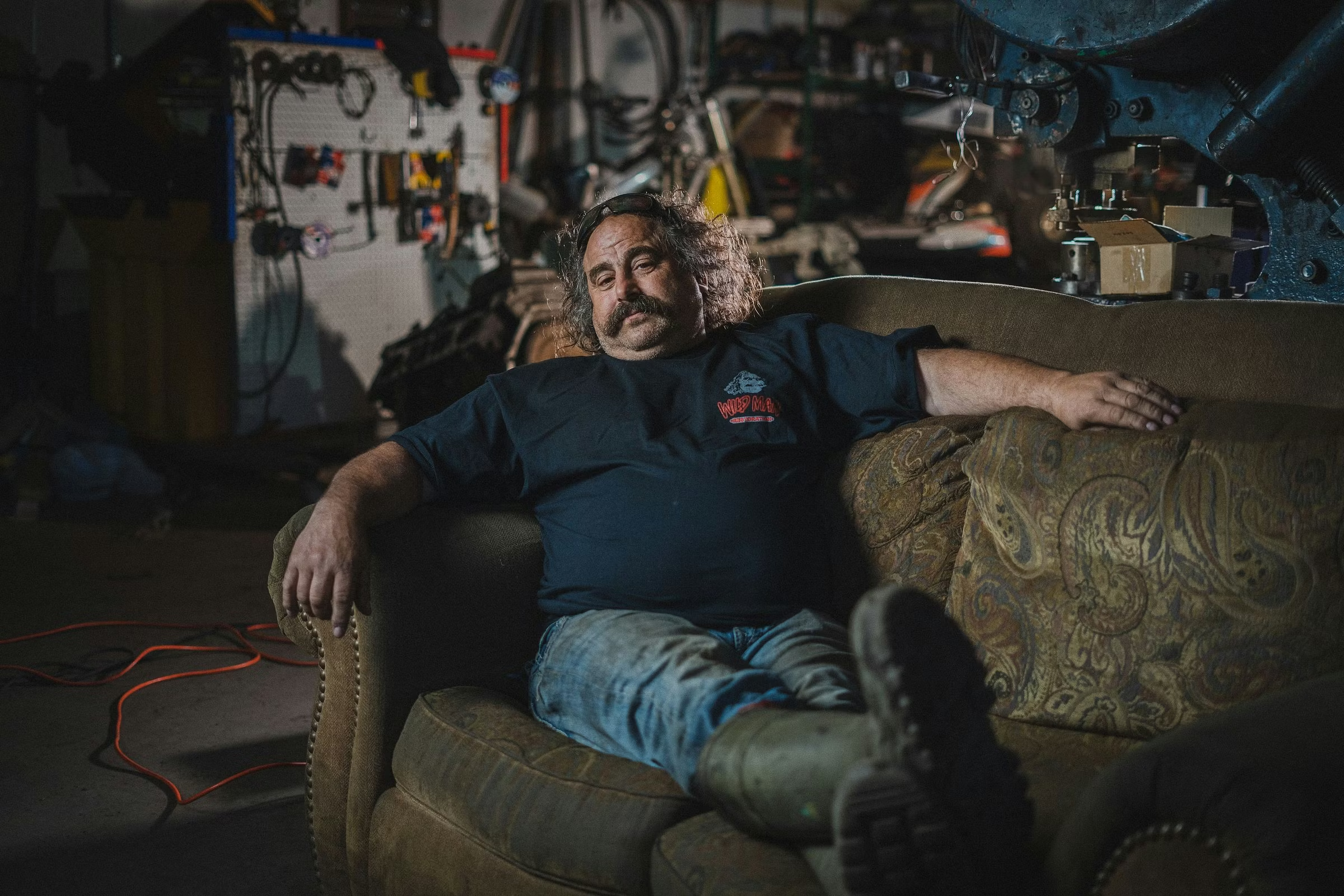
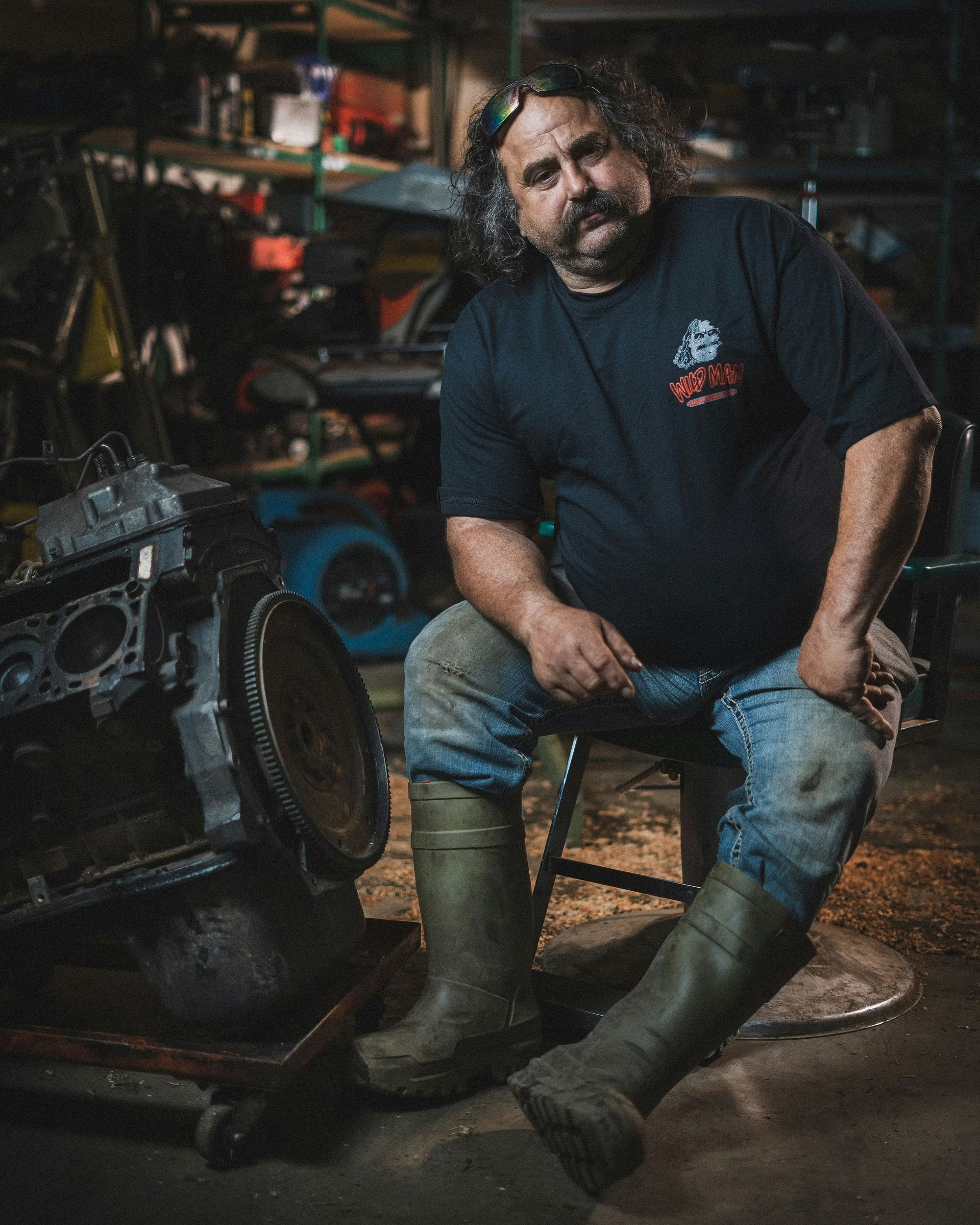
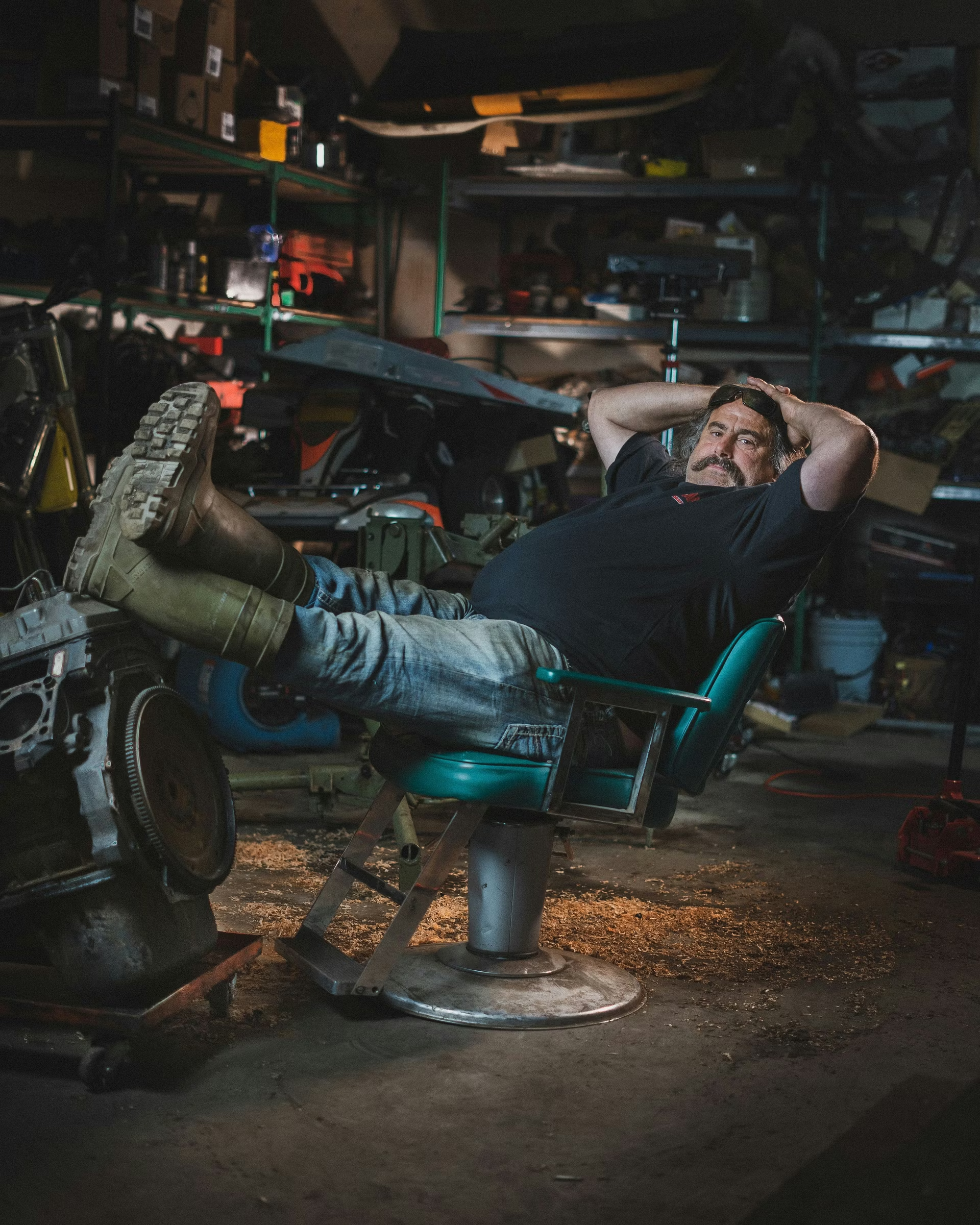
The portraits all happened in two spots. A beat-up couch sitting against one wall of the garage, and an old barber's chair he keeps in there because of course he does. That was the set. Those two pieces of furniture, the garage walls behind them, and the stuff that lives in Avery Shoaf's working life around the edges of the frame.
Avery's space is not a studio. It is a working collection. World War II gadgets sit on shelves next to parts from cars that are older than most of the people who watch him on TV. Memorabilia that has weight to it, literally and otherwise. I have photographed a lot of people against a lot of backgrounds. Nothing beats a room that is already telling the subject's story before the first frame is made.
The goal with Avery was simple. Do not stage him. Do not relocate him. Put him inside his own sentence and get out of the way. He is a character on the show for a reason. He is a character in person for the same reason.
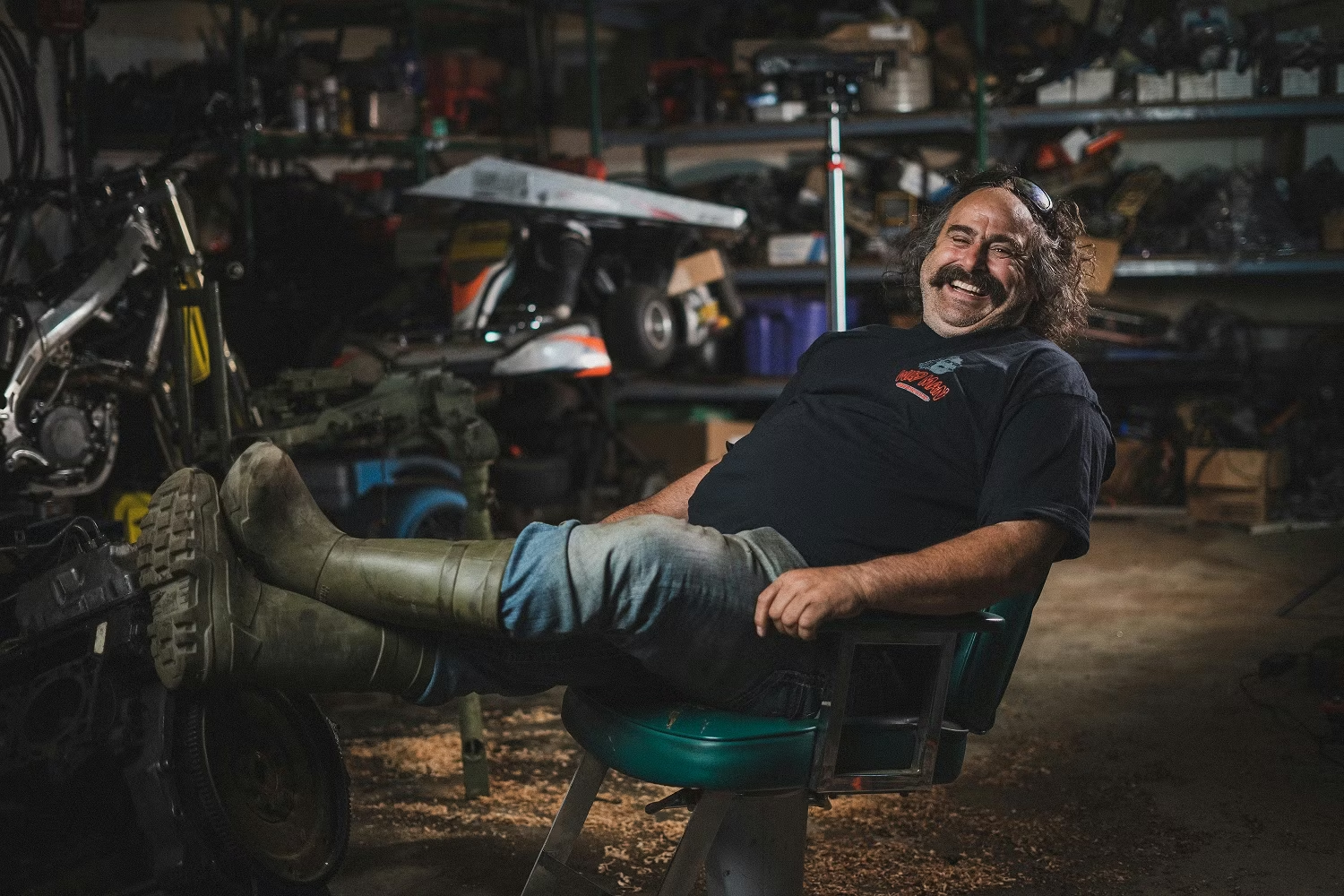
Working with someone like Avery, you learn quickly that the best thing you can do is stop directing and start reacting. He would drop into the couch and start telling a story, and I would shoot. He would settle into the barber's chair and say something that made me laugh, and I would shoot. The frames that worked were the ones where the camera caught him in the middle of being himself, not at the end of a pose.
The real subject of this shoot was not Avery. The real subject was the relationship between a man and the physical world he has built around himself. The junk, the gadgets, the oil, the tools. He is just the face that tells you how to read it. I hope to shoot with him again soon.