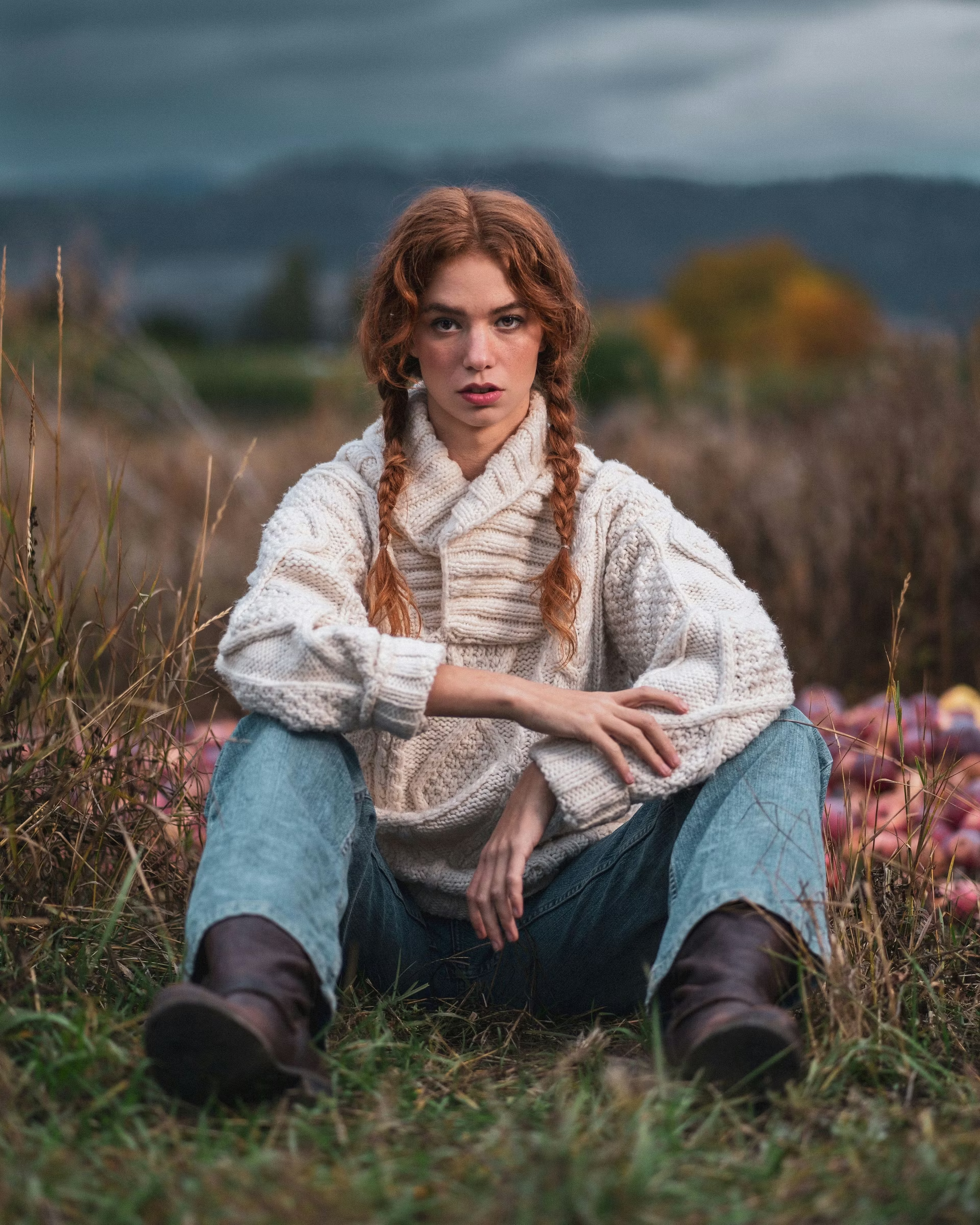
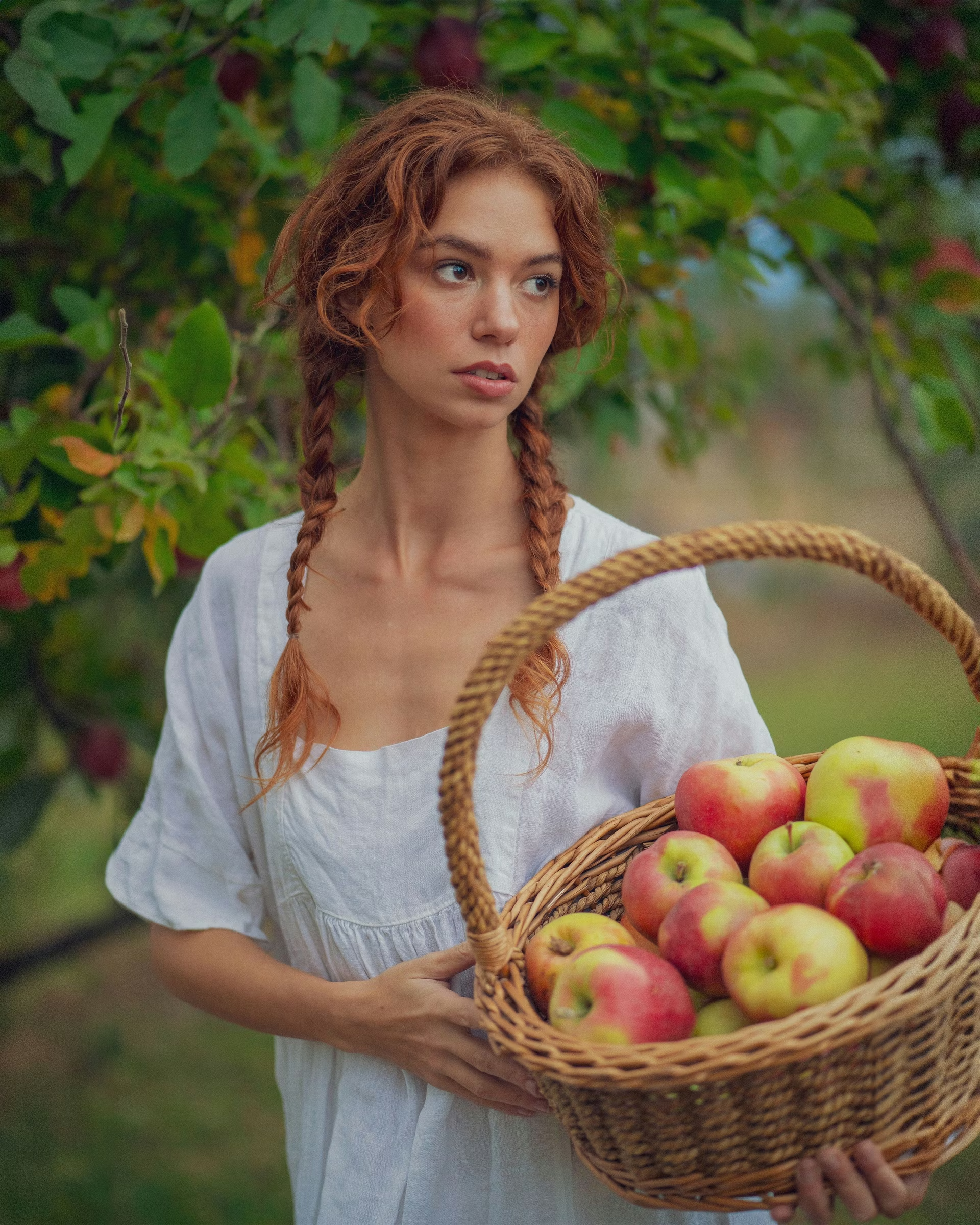
Working with Mickie had been on my list for a long time. She lives out of town, the windows are narrow, and the times she comes through Kelowna get booked up fast. When she reached out asking if I wanted to do a session while she was passing through, the answer was yes before she finished the sentence.
We had roughly two hours. That was all.
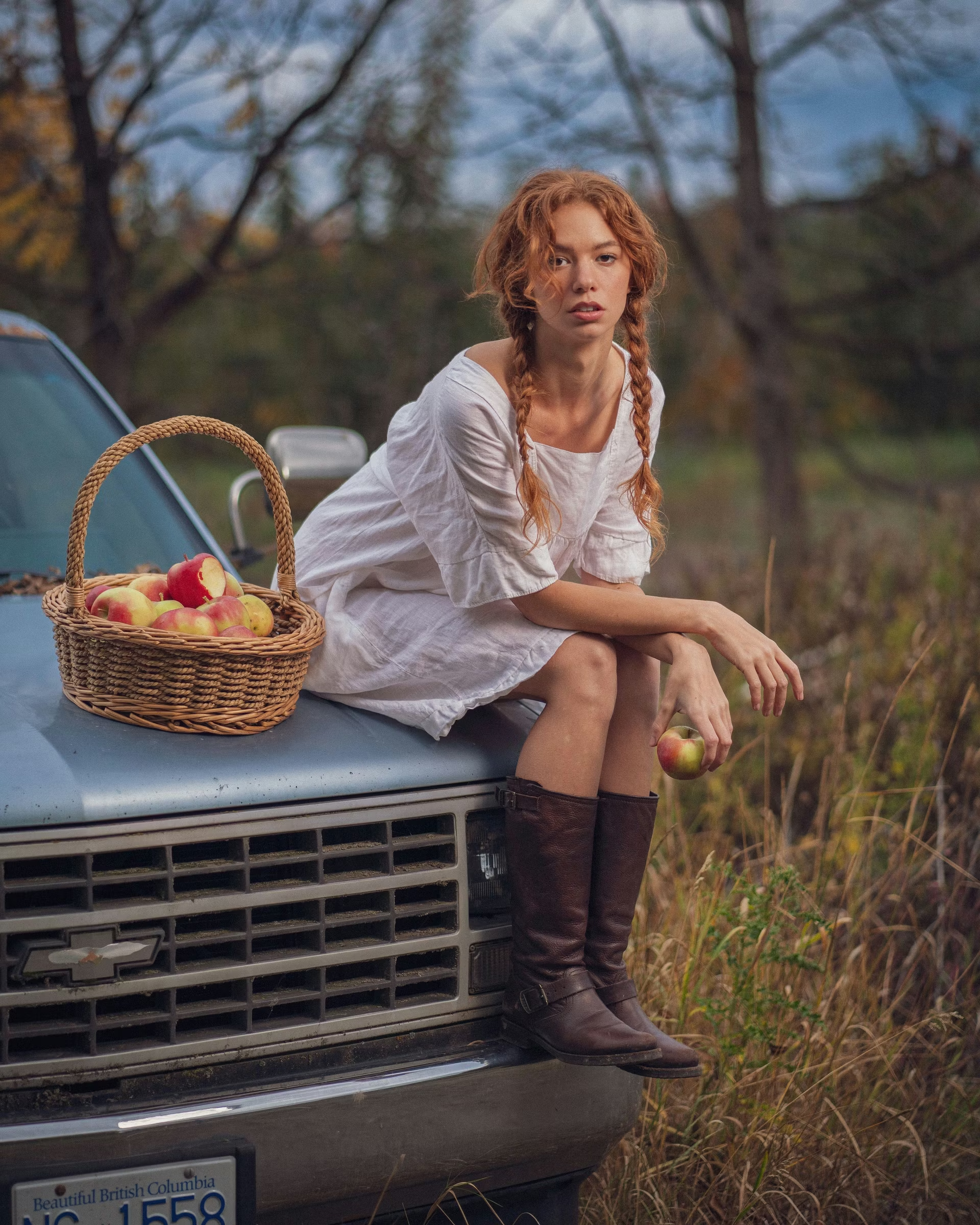
The shoot looks bigger than two hours. Three wardrobe changes, a basket of apples, an old Chevy pickup, a moody field. People who know editorial work look at that and assume a half-day call sheet, a stylist, a couple of assistants. None of that was true. What made the day move that fast was not the day. It was the six weeks before the day.
I had been driving past this orchard for years. There is a u-pick farm just outside town, and every autumn I would slow down on that stretch of road, look at the rows, and picture how the light was going to come through those trees once the leaves turned. You cannot drive past a place like that forever. Eventually you have to knock.
A few weeks before Mickie came through, I pulled into the driveway and walked up to the farmhouse. A kind older gentleman was working in the garage. I introduced myself, told him I was a photographer, and asked if I could shoot on his property sometime. He said yes. He said I did not even need to give him a heads-up. I could just show up. That kind of generosity is rare and I do not take it for granted.
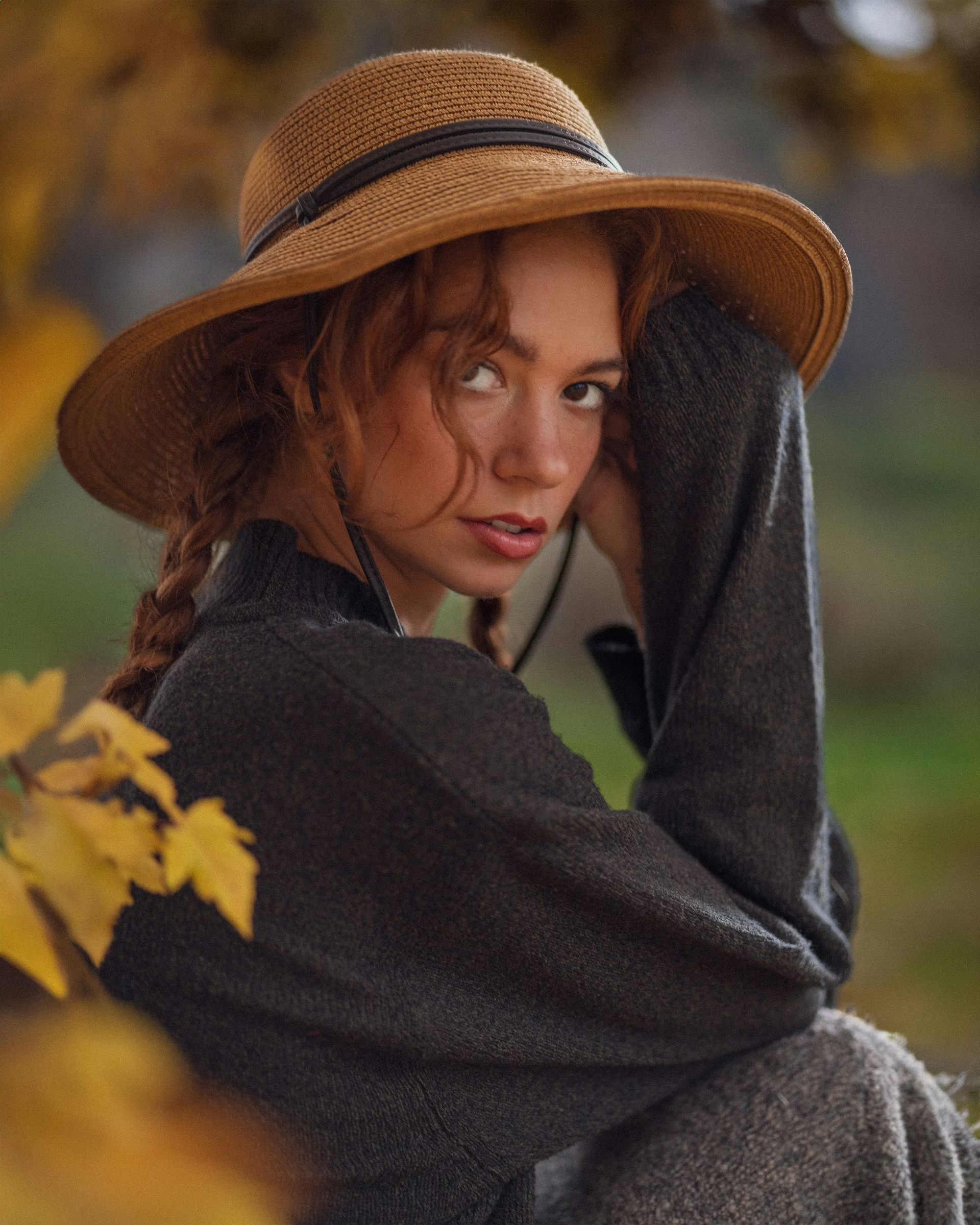
This is the part of the work that does not show up in the frames. Scouting. Knocking on doors. Building enough trust with a stranger that you can come back later with a basket and a subject and a camera and not feel like you are sneaking on. None of that is glamorous. It is also the difference between a fast shoot that looks unhurried and a fast shoot that looks rushed.
So when Mickie's two-hour window opened, the location was already mine. The angles were already mapped. I knew where the light fell at four in the afternoon. I knew which trees still had apples on them in late October. I knew which rows had the best background separation for a tighter portrait. Mickie brought the wardrobe, the basket, and the energy of a working pro who reads light and does not need coaching. The orchard brought the atmosphere. I brought a plan.
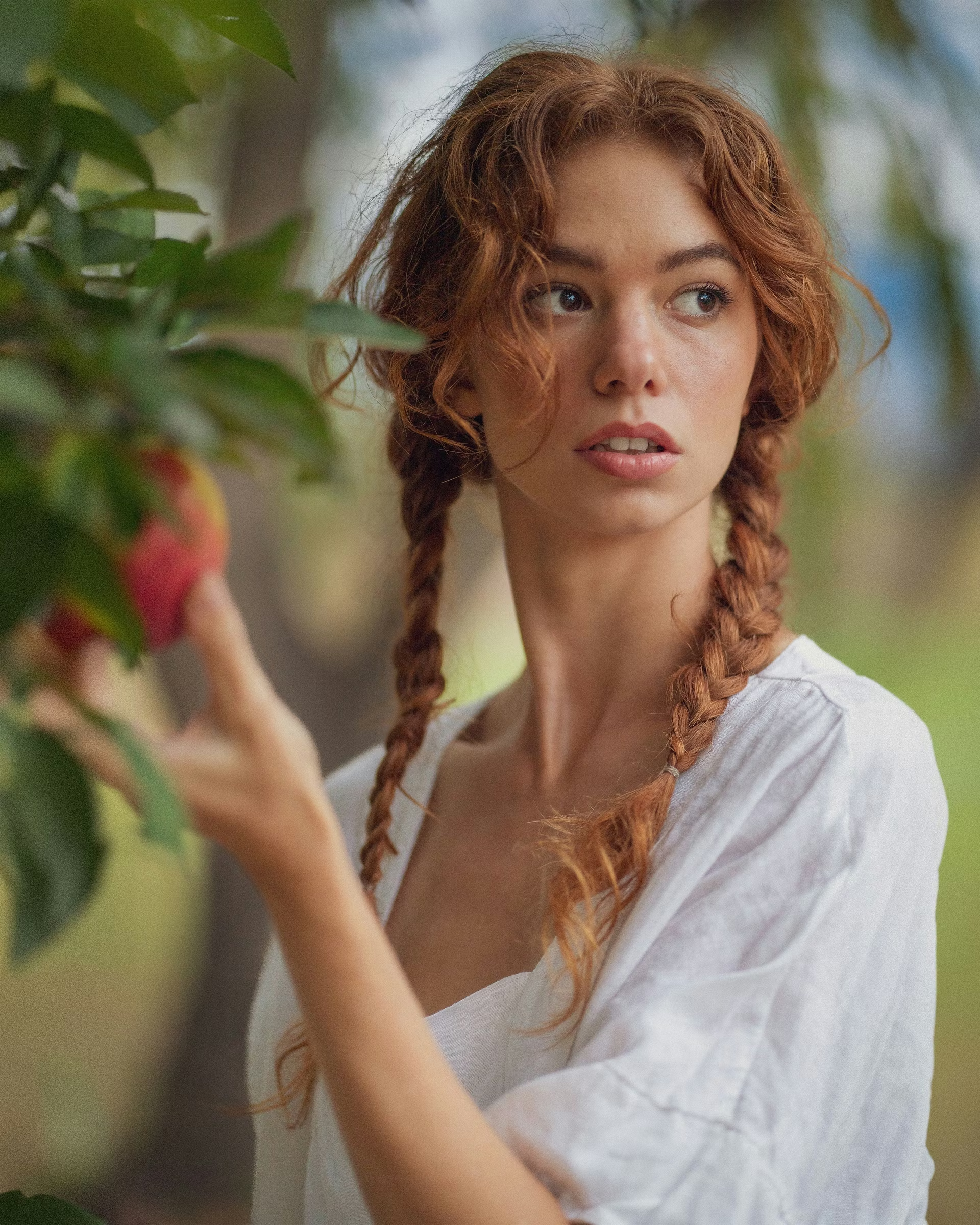
What we did in two hours was not photography. The photography was the easy part. What we did was use two hours that were already loaded with six weeks of decisions. Where to stand. Which direction to face. Which tree. Which row. The wardrobe changes were quick because there was nothing to figure out between them. We just moved.
I think about this every time someone asks how I get a shoot done so fast. The honest answer is that the fast part of the shoot is the only part anyone sees. The slow part happened in October of the year before, when I parked on the side of the road and stared at a hill of apple trees and decided I was going to shoot there one day. The slow part happened the afternoon I walked up to a stranger's garage. The slow part happened every time I drove past and noted what the light was doing.
A two-hour shoot is never two hours. It is everything you did before, compressed into the only window you had.