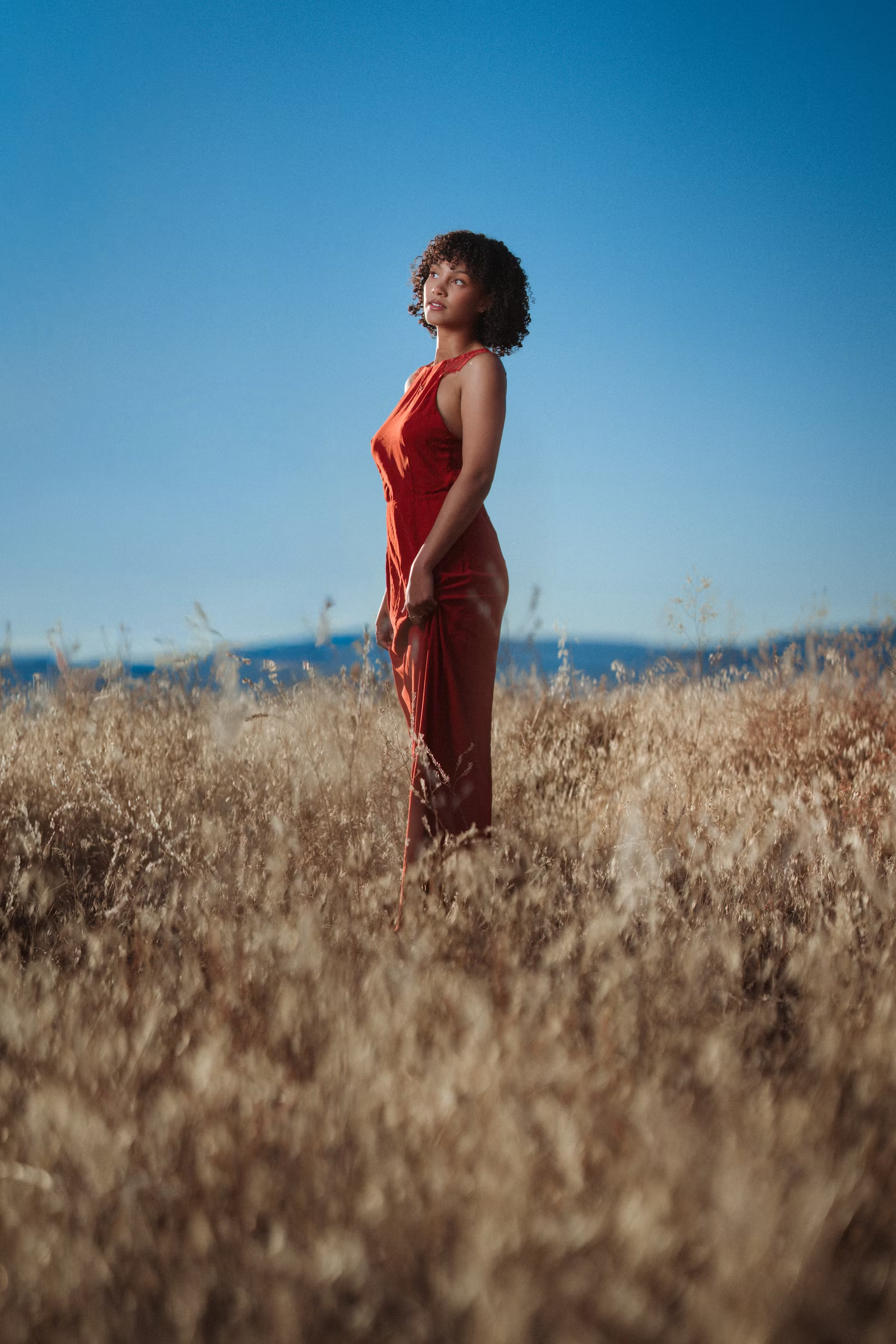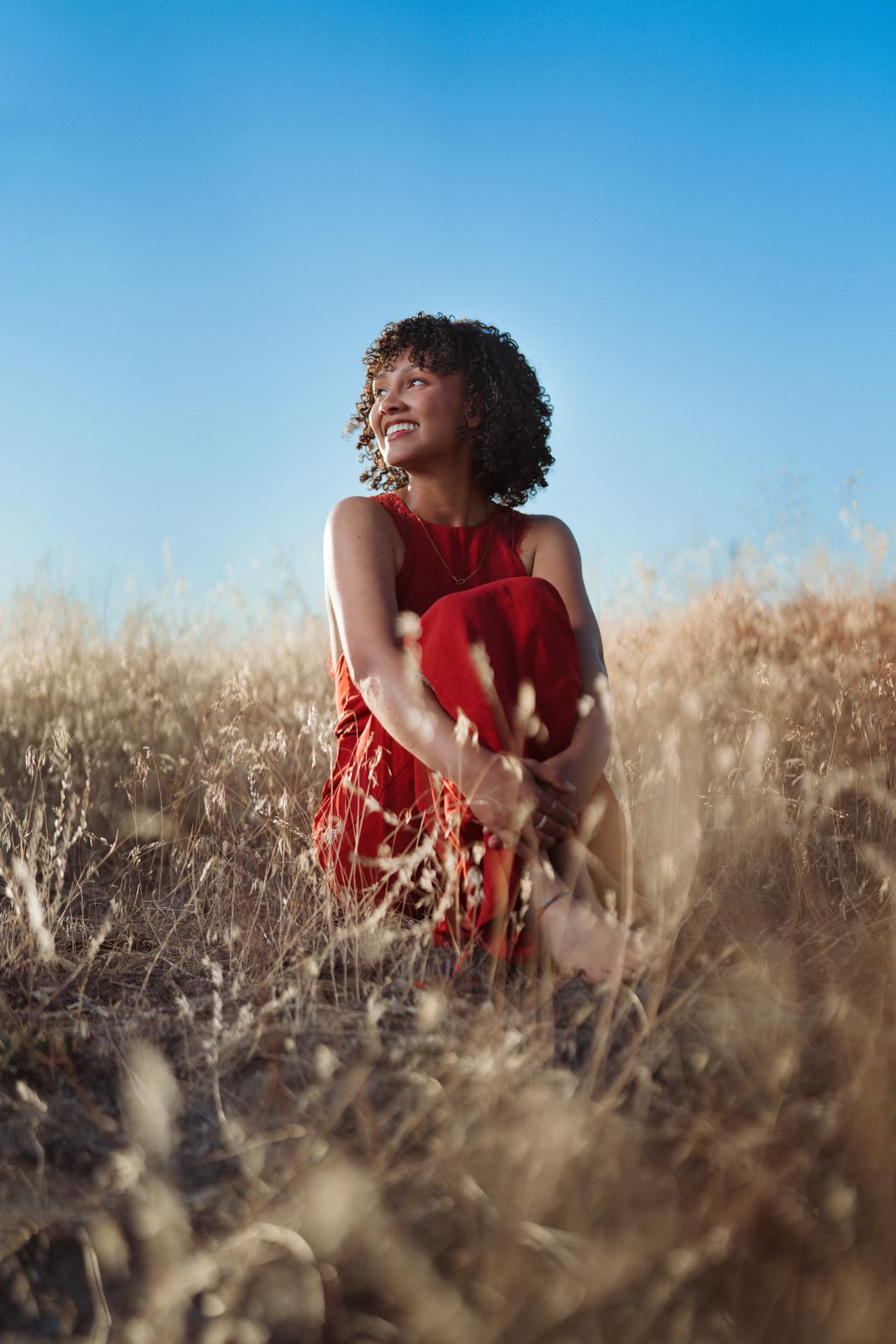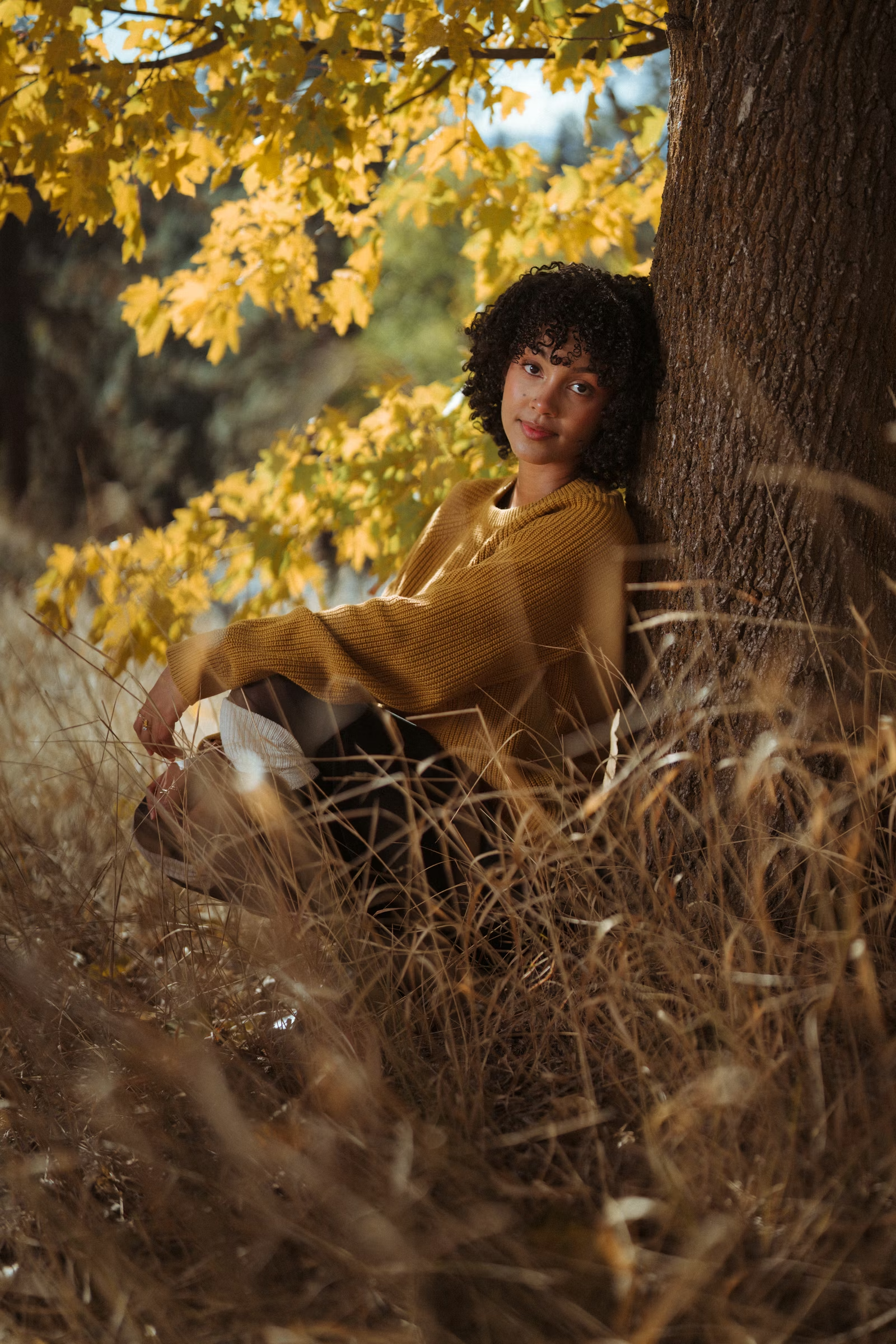
Florence is from Ghana. This was her first real Canadian fall.
I had not factored that in when I booked the shoot. By the time we got to the orchard in the Kelowna mission area, the day had turned. Warm morning, cold afternoon, sun losing its angle by the minute. Florence handled the cold the way she handled everything that day. She adapted. She kept moving. She did not complain once.
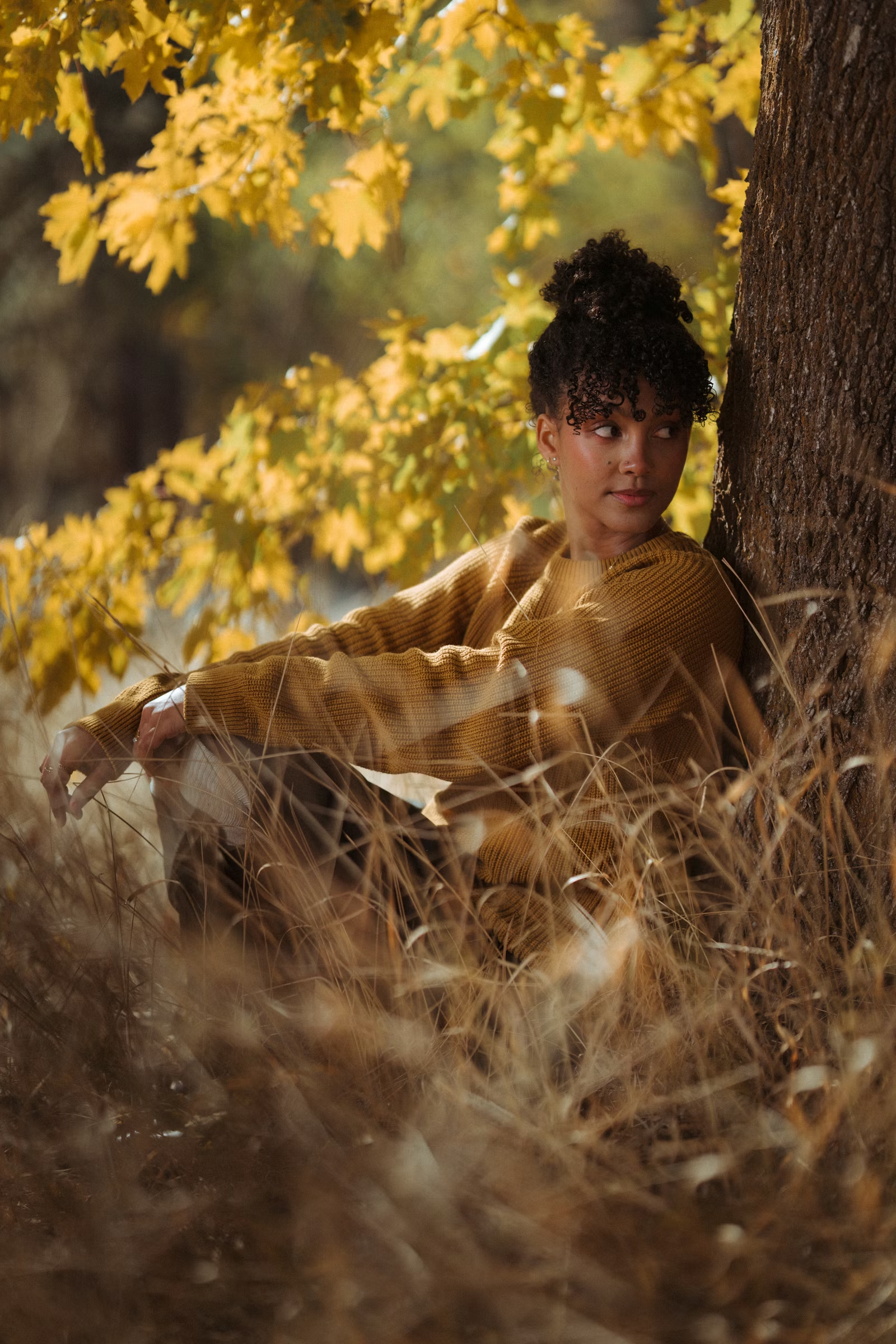
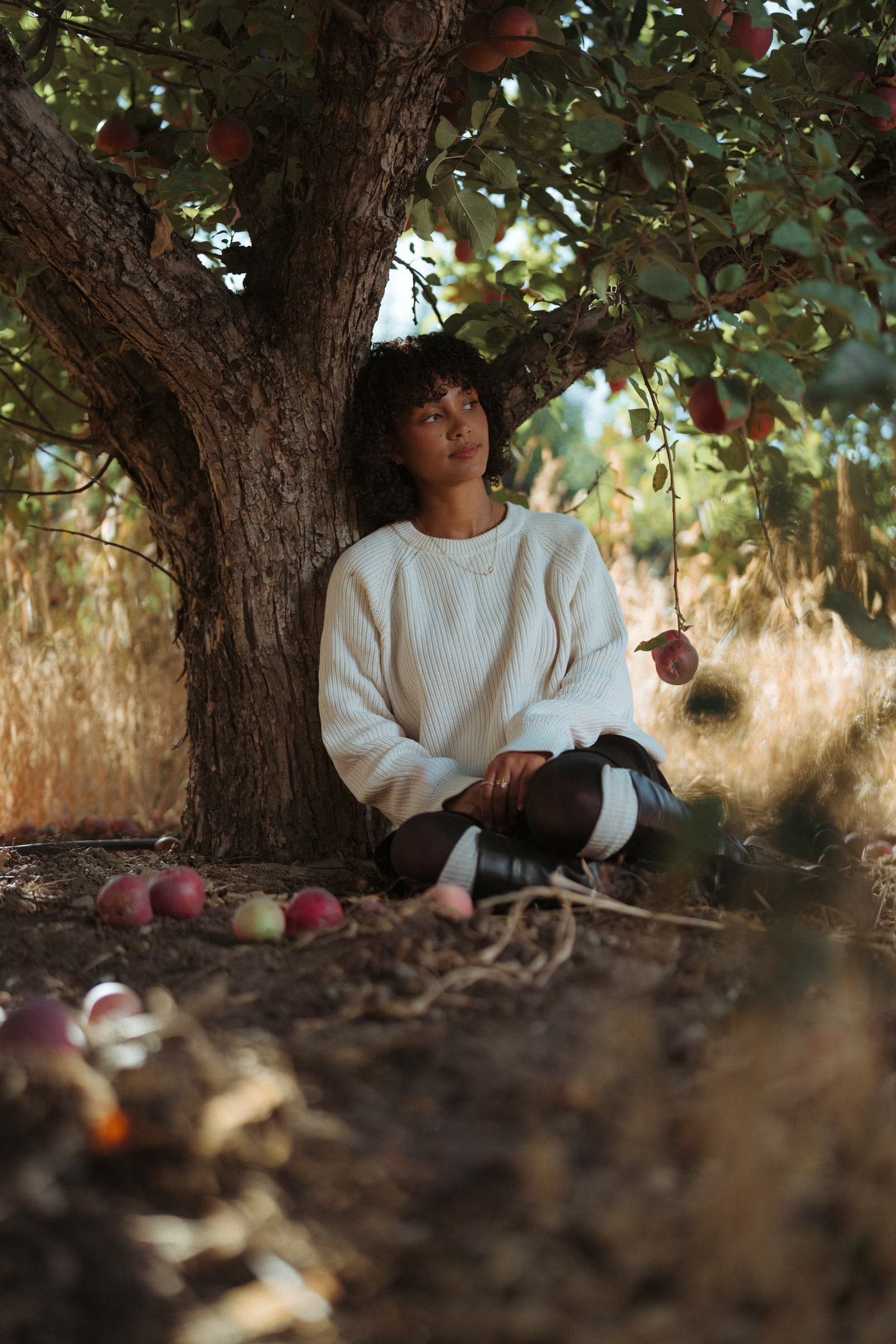
The orchard had everything you could want for one afternoon. Apple trees still full. Maples gone yellow at the edge of the property. A wooden fence at the top of the hill with the city laid out behind it. We did not need a fixed plan. You show up, you read what is there, and you let the place do half the storytelling.
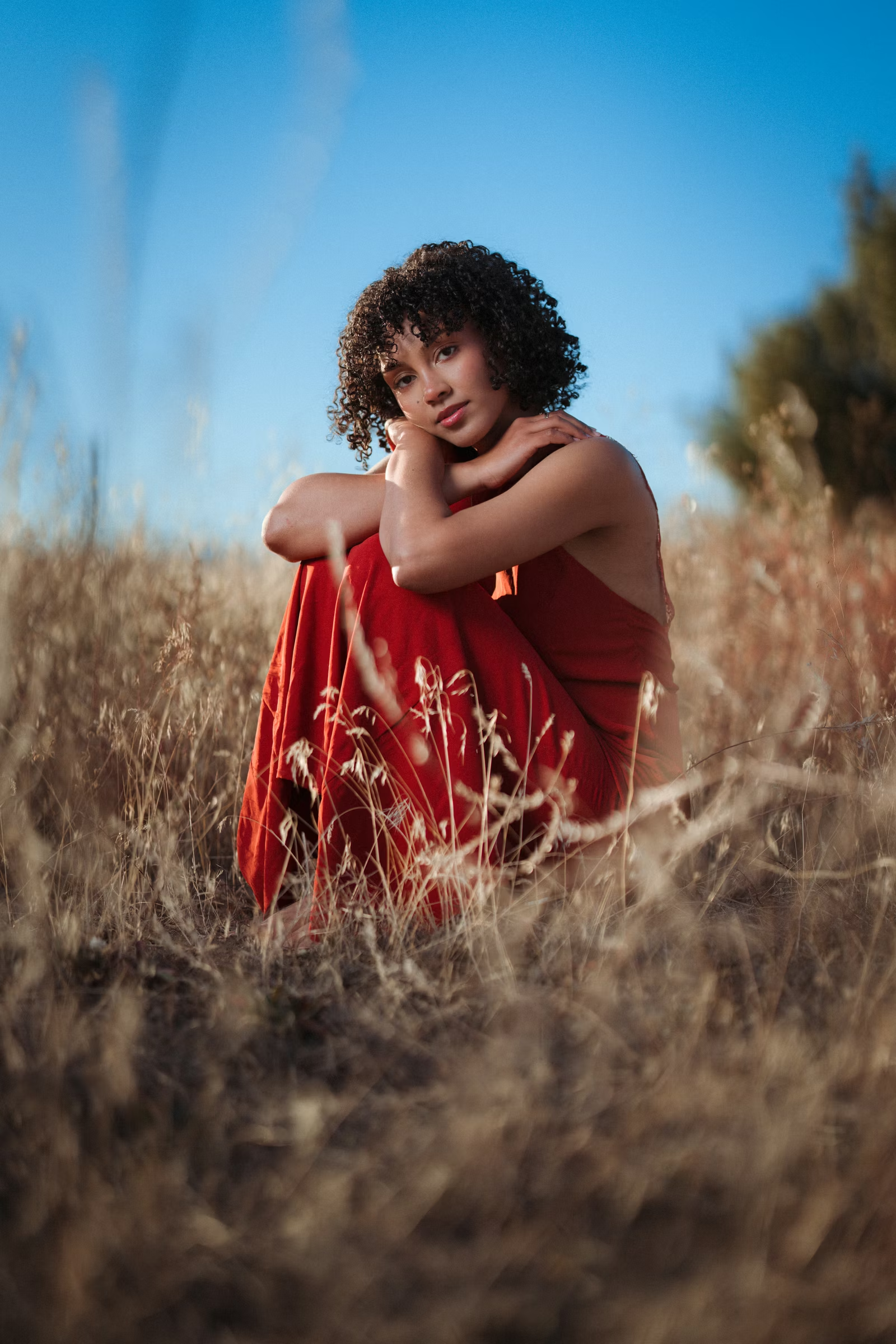
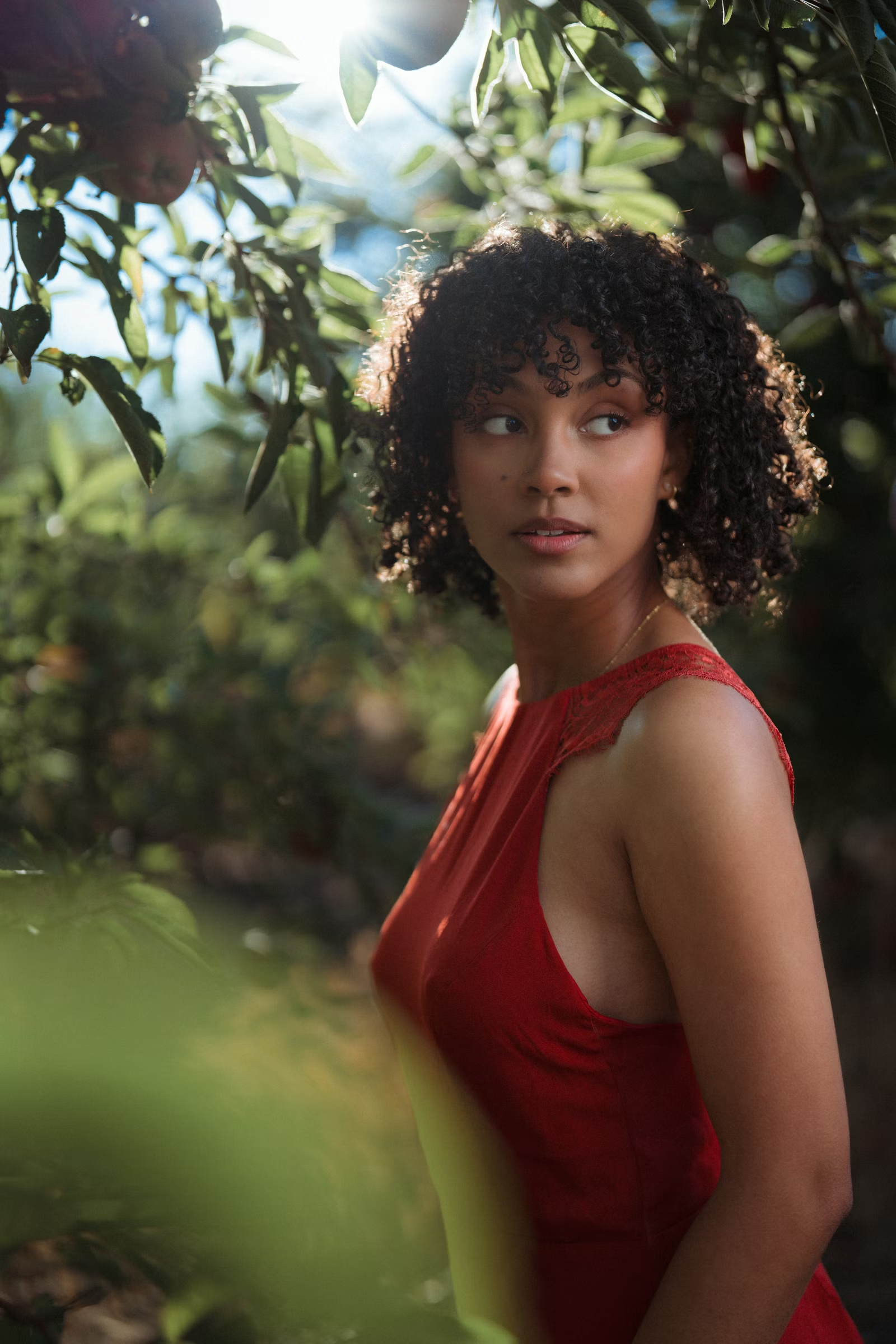
What the place was telling us was Garden of Eden. Apples on the trees. Apples on the ground. Florence reaching up through the canopy with the late sun coming down behind her hand. We had not planned that frame. The orchard offered it. You do not have to point at the symbolism. The image is louder than any caption.
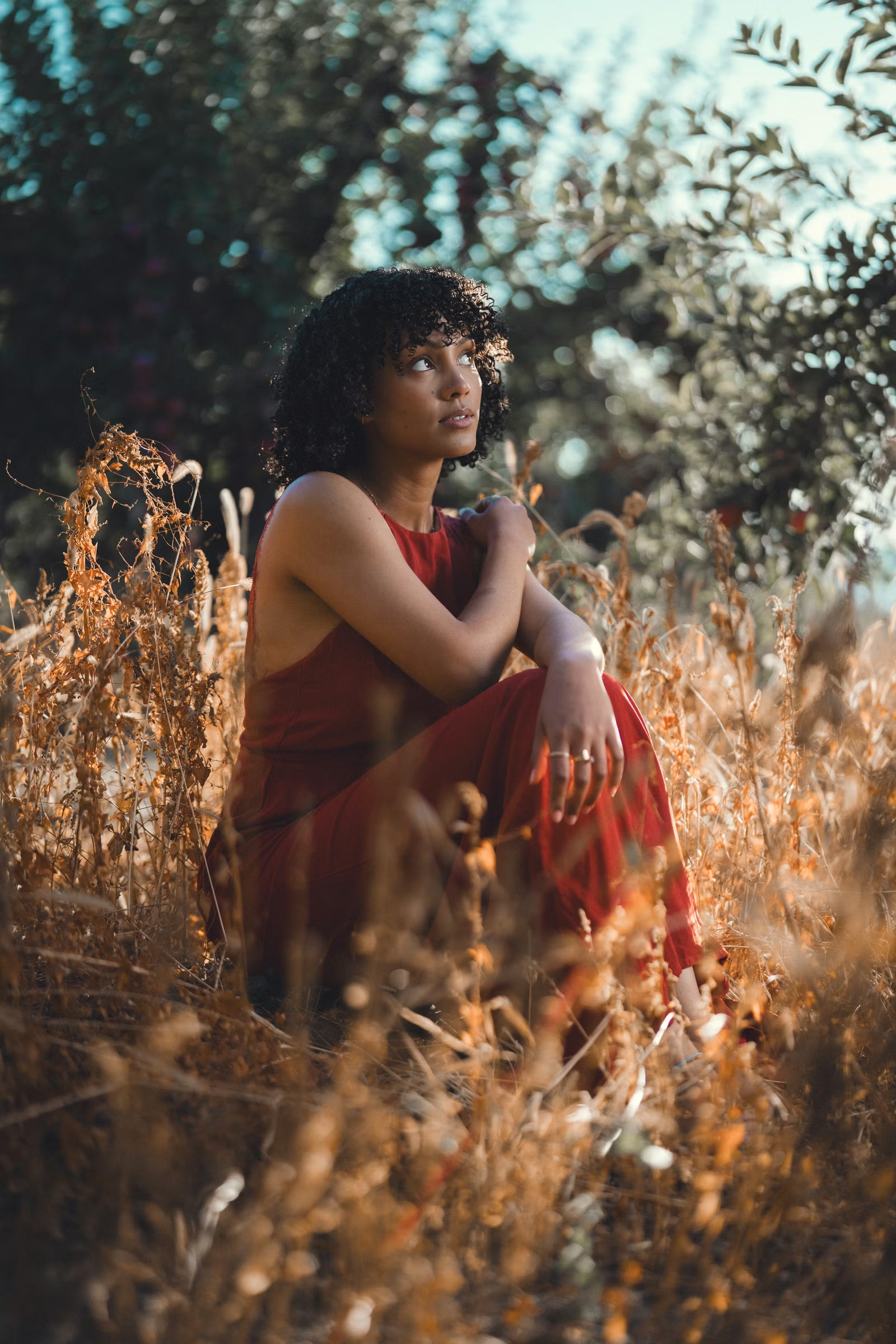
Most of the work I do starts before the shoot, at the kitchen table, thinking about colour. Complementary colours - the ones sitting opposite each other on the wheel - do most of the heavy lifting in a frame for free. Red against green. Blue against orange. Yellow against purple. Put them in the same frame and the eye snaps to the boundary between them. That contrast does not require a better camera. It does not require a sharper lens. The colour pair is doing the explaining.
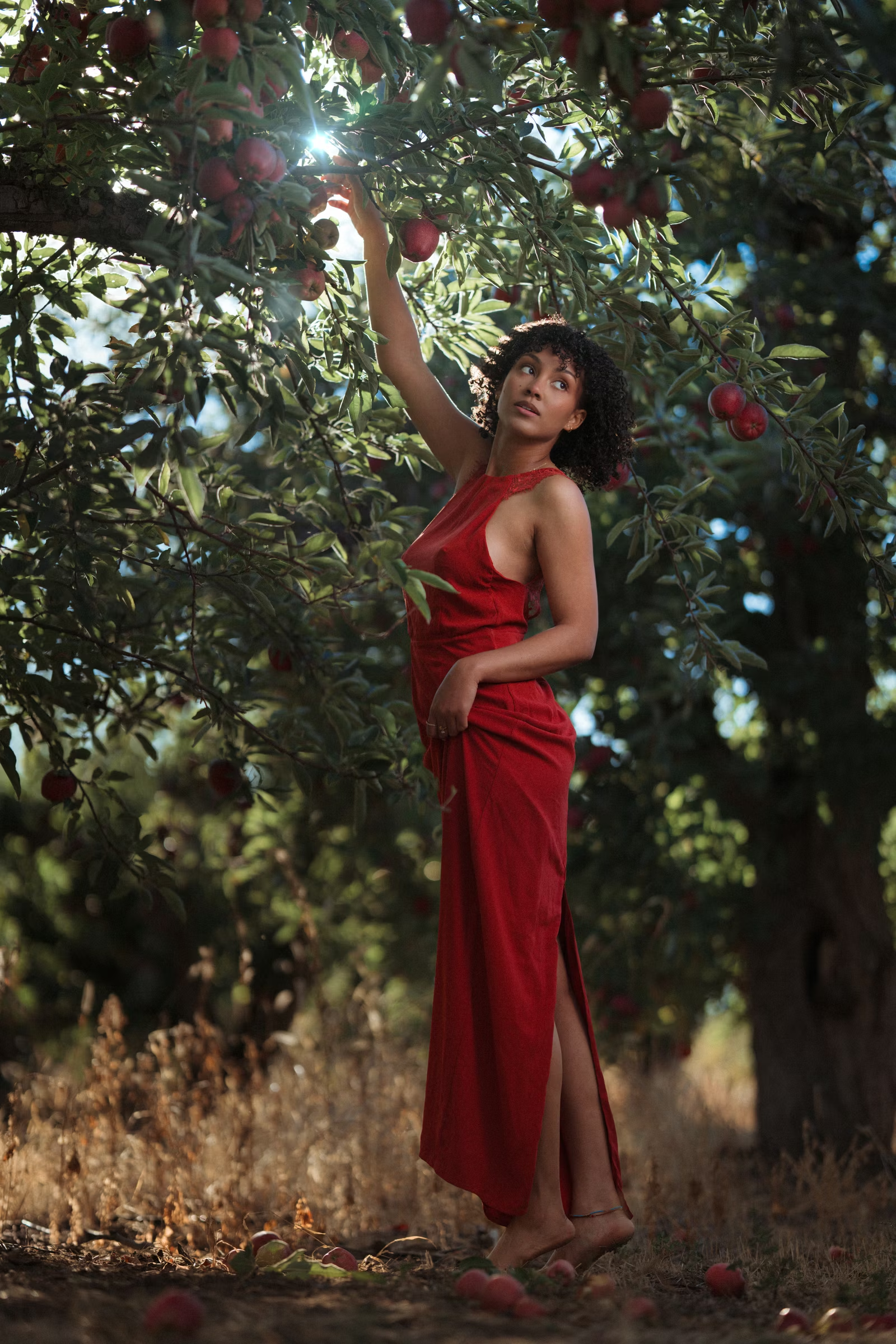
When the subject is dressed correctly for the location before they ever arrive, half your photo is already built. You can show up to the shoot with a hundred small problems to solve - light shifting, branches in the wrong place, wind picking up - and at least the colour question is already answered. That is one less thing to lose your mind over while the location starts arguing with you.
Florence did not know any of this. She trusted me when I told her what to bring. That trust is the thing that makes a shoot work or not work. Without it, you have a photographer and a subject. With it, you have something close to collaboration.
By mid-afternoon the temperature had dropped in the specific way the Okanagan specialises in. October sun does the polite thing in Kelowna for a few hours. Then it is gone. We worked the maple at the edge of the property, the bottom of the orchard among the windfall apples, then up the hill to the fence at golden hour.
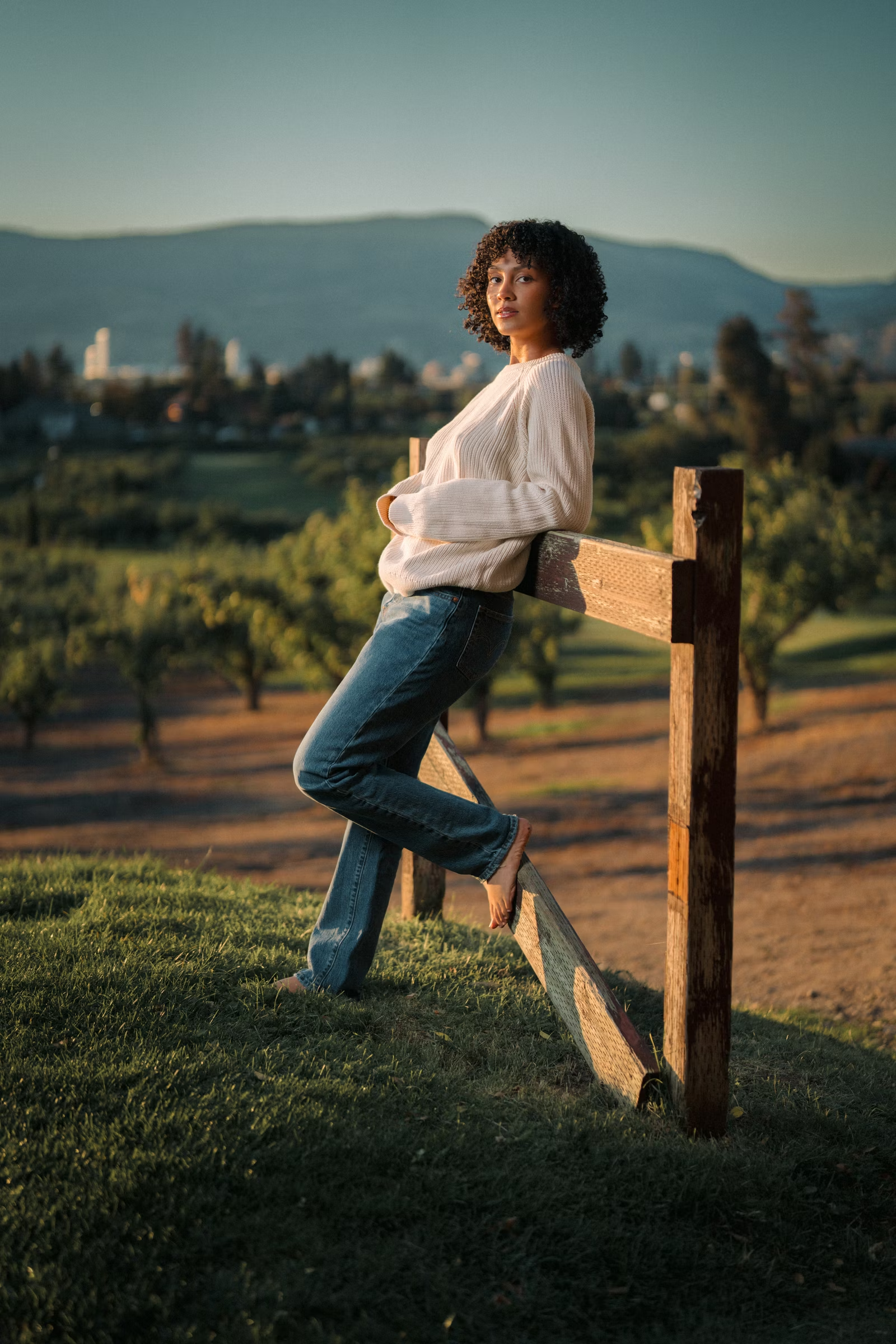
The last frame was made with the city behind her and the mountain ridges holding up the sky. The wind had come up. The light was bleeding out.
After the sun had set Florence and I were headed in opposite directions. Her to warm up, me to start editing.
What I kept thinking about on the drive home was how much of the shoot was already decided before I ever got there. New subject. Cold afternoon. Light shifting by the minute. The colours were the only thing I had locked in advance, and the colours did most of the work. That is the case for spending time on the fundamentals. They are still doing their job long after you have stopped thinking about them.